Living in Portugal: Best Cities and Regions to Live
October 13, 2026 · By Maria Alejandra
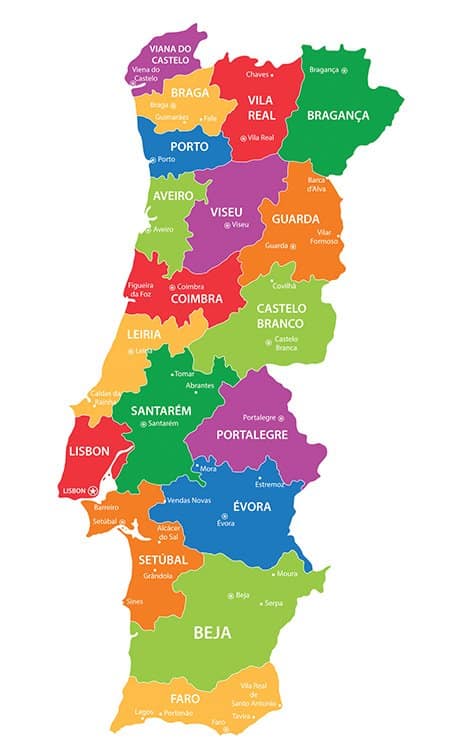
Moving to Portugal is one of the best decisions you can make, but it also comes with plenty of questions. The country is small, yet living in the north, in central Portugal or in the south are very different experiences in terms of climate, job opportunities, cost of living and housing. In this guide to where to live in Portugal, we explain what each region is like, who it suits best and what to keep in mind before choosing, so that your arrival is much easier.
The cities we mention are representative examples of each region, not the only options. Around each one there are smaller towns and neighboring municipalities (concelhos) that are usually more affordable and well worth exploring. And since property prices change quickly, we talk about relative levels, such as more expensive, mid-range or more affordable, rather than exact figures.
If you have already decided to make the move and want to understand the paperwork, the NIF tax number, renting and budgeting, we also recommend our complete guide to moving to Portugal in 2026.
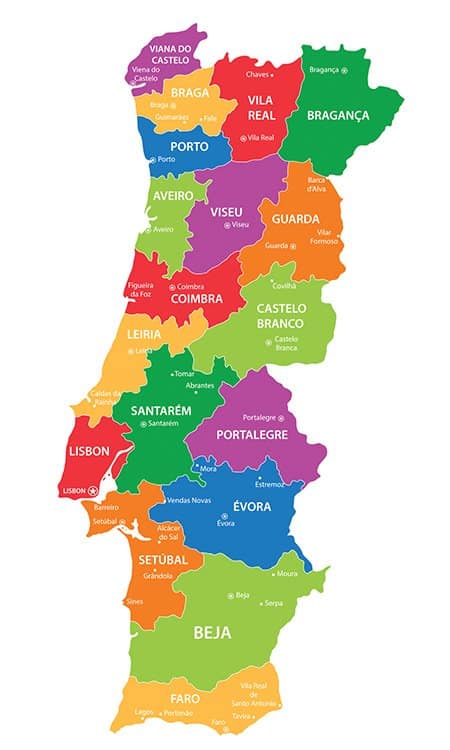
Living in Northern Portugal: Porto, Braga and Aveiro
The north combines a strong industrial, tech and export economy with housing that is more affordable than in Lisbon, in exchange for colder, wetter and rainier winters. It is a great option for people working in technology, industry or services who want city life without capital-city prices.
Porto

Porto has an Atlantic climate, with mild summers and gentle but damp winters, with a lot of rain between November and March. It is the country’s second major job hub, with tourism, technology, shared service centers of large companies, a university and healthcare, as well as a good public transport network. It is the second most expensive city in Portugal after Lisbon, so many families find better value for money in Vila Nova de Gaia, Matosinhos, Maia or Gondomar, all connected by metro or train.
Braga
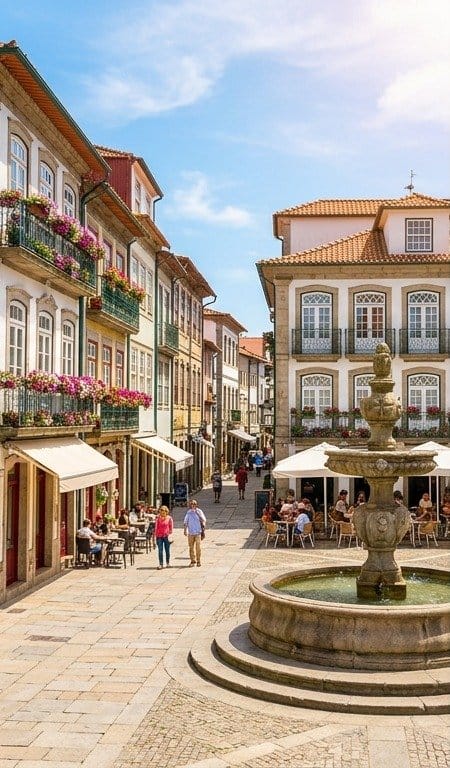
Braga is one of the youngest cities in the country and also the rainiest of the three, with cool winters and warm summers. It is home to the University of Minho, an international nanotechnology laboratory, software companies and a significant industrial base across the region. It is the most affordable city in the north and, for families with young children, it offers good schools, nature close by in the Gerês and a more affordable daily life than Porto.
Aveiro
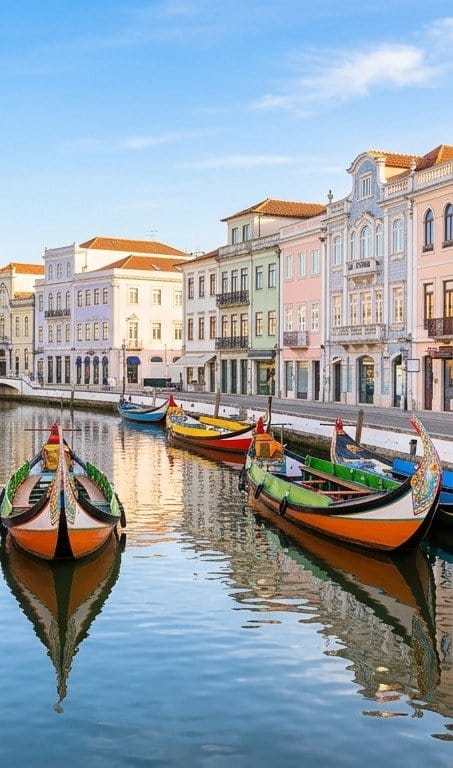
Aveiro has a mild climate almost all year round, with a sea breeze and beaches just minutes away, such as Costa Nova and Barra. Its economy relies on a university known for engineering and telecommunications, on industry and on an active technology park. Prices are mid-range, higher than its size might suggest, and it is ideal for families looking for a calm pace, cycling and the sea, with Porto within easy reach by train.
Good to know: winter humidity and rain make a real difference in the north, so when choosing a home it is worth checking its sun exposure, insulation and ventilation.
Living in Central Portugal: Coimbra, Leiria and Santarém
Central Portugal is, in general, the most affordable region of mainland Portugal. It is a peaceful area, ideally located between Lisbon and Porto, and well suited to anyone who prioritizes space, a slower pace of life and a moderate budget.
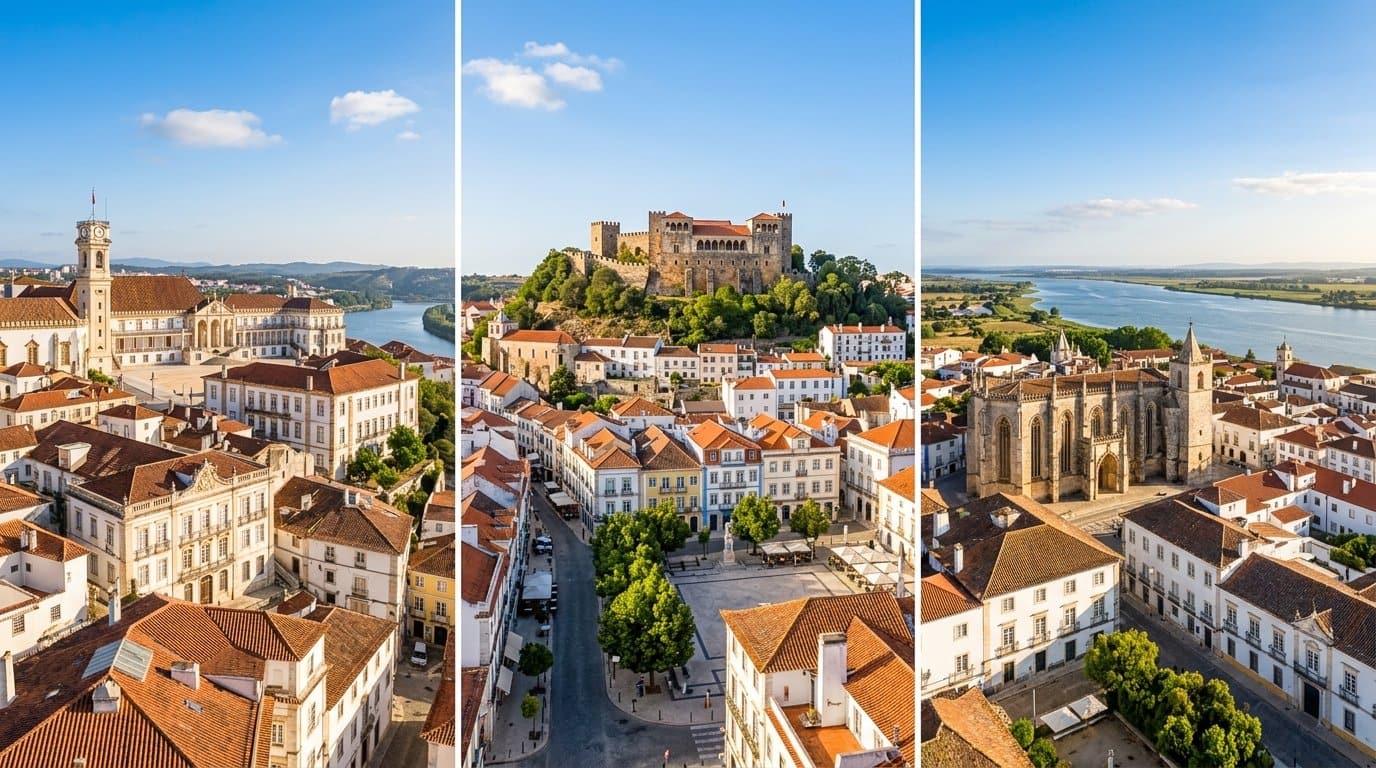
Coimbra
Coimbra has hot summers and cool, rainy winters. Life here revolves around the oldest university in the country, one of its largest teaching hospitals and companies in healthcare, biotechnology and software. Housing is mid-range, and rents remain high because of student demand. It is an excellent option for healthcare, research and teaching professionals, and for families who value good schools and medical services.
Leiria
Leiria has a temperate climate influenced by the sea, with beaches such as São Pedro de Moel and Nazaré very close by. It is a very dynamic industrial hub for molds, plastics and ceramics, with companies looking for technicians and skilled workers. It is one of the most affordable cities in this guide and a great fit for families looking for stable work in a comfortable, safe city.
Santarém
Santarém sits in the Tagus valley, with dry, very hot summers and cool winters. Its economy is based on agriculture, agribusiness, logistics and public services. Its big advantage is its location, about 45 minutes from Lisbon by train, although the rental market is small and it is worth checking what is available before deciding.
Good to know: if you will be commuting to Lisbon every day, carefully weigh up the travel time and cost before choosing a city in central Portugal.
Living in Lisbon and the Margem Sul
Lisbon offers the widest range of jobs in the country and the highest salaries, but also the most expensive housing. The Margem Sul (South Bank), across the Tagus River, lets you work in Lisbon while living with more space, more beaches and a much friendlier cost of living.
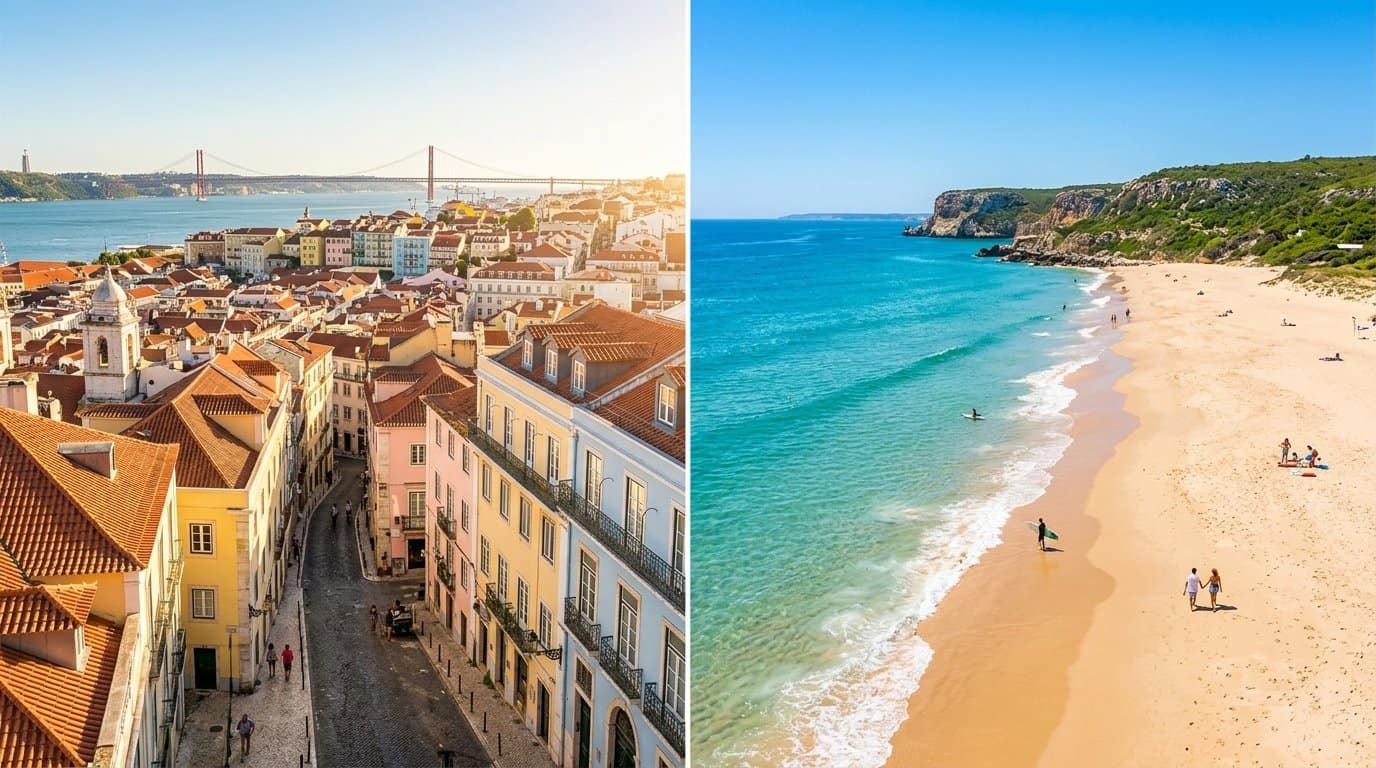
Lisbon
Lisbon has one of the most pleasant climates in Europe, with mild winters, sunny summers and a remarkable number of sunshine hours each year. It is home to the headquarters of large companies, banking, tech, consultancies, startups, tourism and public administration. The downside is the cost: it is the most expensive city in the country to live in, especially in central areas, and everyday expenses are higher too. That is why many expats who work in Lisbon end up living in the surrounding areas.
Living in the Margem Sul: Almada, Seixal and Lisbon’s best-kept secret
The Margem Sul is the group of municipalities south of the Tagus, including Almada, Seixal, Corroios, Amora, Barreiro, Sesimbra, Setúbal, Montijo and Palmela. For many families it is the most balanced option in the country, because you can work in Lisbon and enjoy a coastal quality of life.
The climate is even milder than in Lisbon, with plenty of sunshine and the shelter of the Arrábida mountains. The area has some of the best beaches around Lisbon, from the miles of sand at Costa da Caparica to the turquoise coves of Sesimbra and Arrábida, as well as green spaces such as Seixal Bay and the Mata dos Medos nature reserve.
Getting to Lisbon is quick and easy. From Cacilhas, the ferry reaches Cais do Sodré in just a few minutes; there are also direct ferries from Barreiro and Seixal; the Fertagus train crosses the 25 de Abril Bridge with stops at Corroios, Fogueteiro and Pragal; and the Metro Sul do Tejo light rail links Almada and Seixal.
For the same budget, you get more square meters, terraces and detached houses (moradias) with gardens. Areas such as Fernão Ferro, Corroios, Amora and Quinta do Conde are very popular with families with children for their houses with yards, their schools and their community feel. That said, the Margem Sul is not all the same, and the areas with the best transport links or close to the river can be quite expensive.
Local employment is strong too. The Volkswagen Autoeuropa plant in Palmela and its entire supply chain, the port and industry of Setúbal, logistics, retail, healthcare and beach tourism all provide jobs locally, with no need to cross the bridge.
Good to know: before choosing an area, try the actual commute to your workplace at rush hour, check the traffic and available public transport, and see which services are nearby, such as schools, health clinics and shops.
Living in the Alentejo: Évora
Évora is the choice for anyone looking for tranquility, heritage and space, while accepting a smaller job market. Its historic old town is a UNESCO World Heritage Site and life here feels human-scaled.
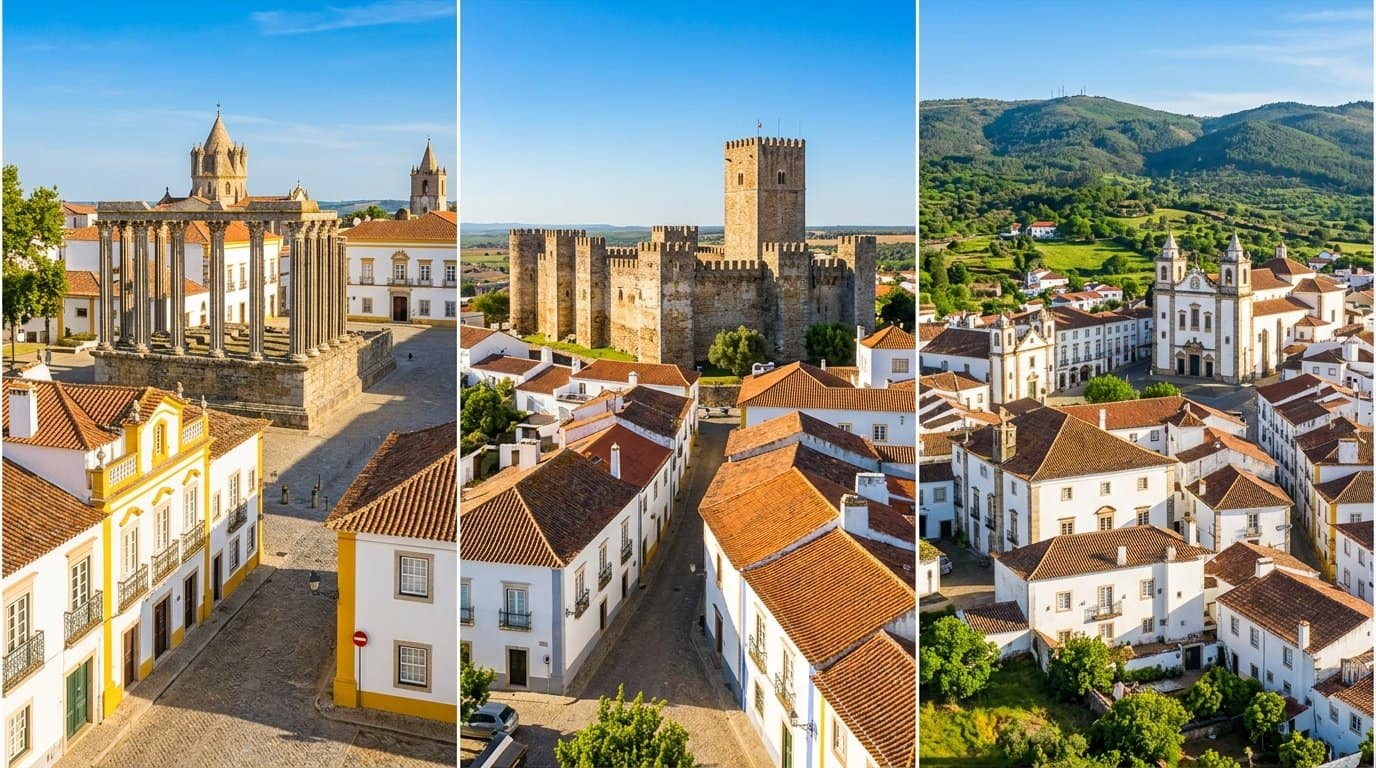
Besides Évora, towns such as Beja, with its medieval castle, and Portalegre, surrounded by the greenery of the Serra de São Mamede, offer the same relaxed Alentejo lifestyle.
The climate is the most extreme in this guide, with very dry, hot summers and winters with sunny days but cold nights. The economy is built on the university, the hospital, public administration, tourism, wine, renewable energy and a growing aerospace industry. Housing is mid-range, higher than many people expect because supply is limited. It works very well for remote workers, retirees and healthcare or education professionals.
Good to know: the summer heat and the need for a car in many towns make a big difference to daily life.
Living in the Algarve: Faro and the Surrounding Area
The Algarve has the sunniest climate in the country, with mild winters and hot summers cooled by the sea. Its economy depends mainly on tourism, hotels, restaurants, construction and services, and a large share of jobs is concentrated between May and October.
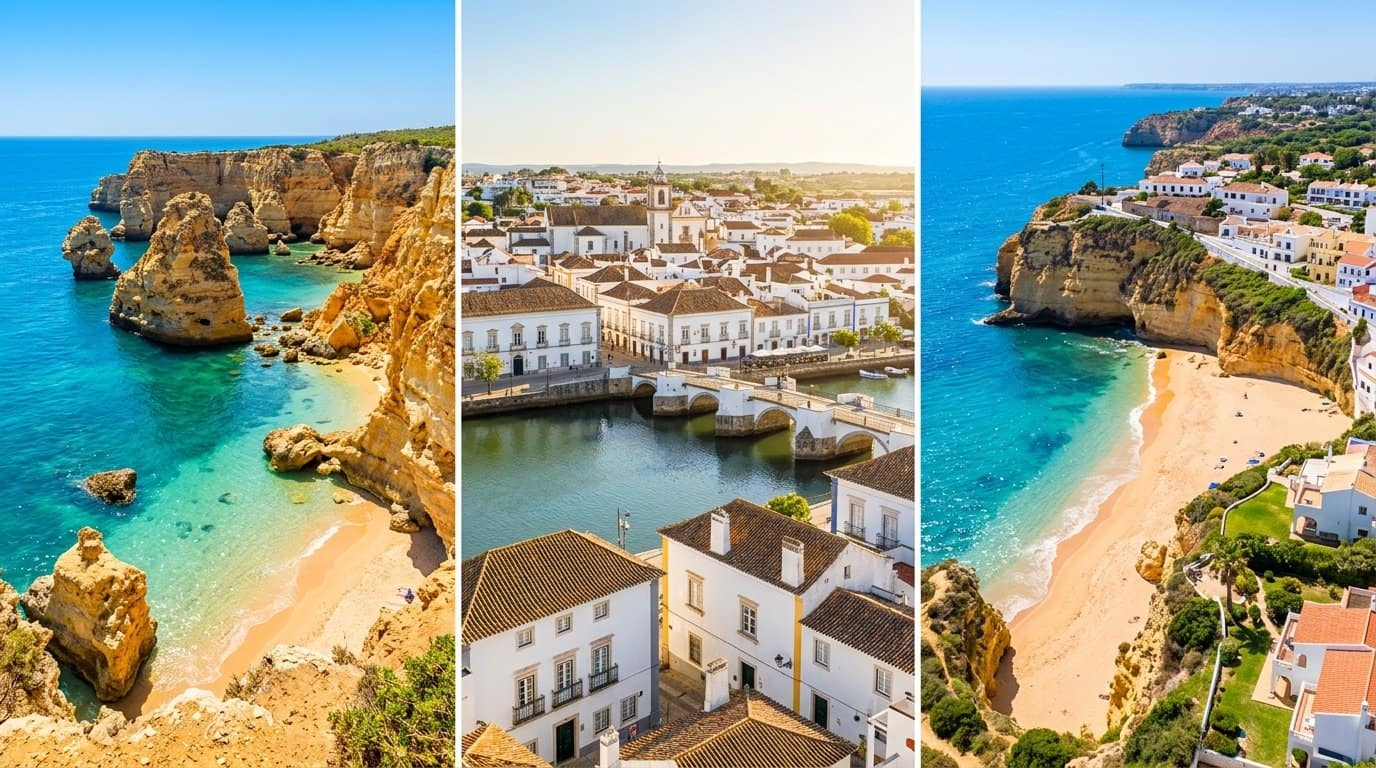
It is the second most expensive region in the country and, in summer, competition with holiday rentals drives prices up and reduces supply. Towns such as Olhão, Tavira or Silves tend to be more affordable than the central coast of Albufeira, Vilamoura or Lagos. It is ideal for people with income from abroad, such as retirees, remote workers or entrepreneurs.
Good to know: seasonal employment and the limited supply of long-term rentals can be a challenge, especially if you arrive in peak season.
Cost of Living in Portugal: Comparison by Region
| Region | Climate | Housing (relative level) | Key industries | Ideal for |
|---|---|---|---|---|
| North | Atlantic, rainy in winter | High in Porto, affordable in Braga | Technology, industry, services | Professionals who want a big city without Lisbon prices |
| Central | Cool winters, hot summers | Affordable to mid-range | Healthcare, education, industry, logistics | Families on a moderate budget |
| Lisbon | Mild and very sunny | Very high | Services, technology, banking, tourism | High salaries and a vibrant city life |
| Margem Sul | Sunny, sheltered by Arrábida | Mid-range, varies by area | Automotive, port, logistics, and Lisbon a short commute away | Families working in Lisbon who want space and beaches |
| Alentejo | Extreme summers, cold nights | Mid-range | University, healthcare, tourism, aerospace | Remote work, retirees, a quiet life |
| Algarve | The sunniest in the country | High on the coast | Tourism and hospitality, seasonal | People with income from abroad |
Where to Live in Portugal Based on Your Profile
If you are looking for more career opportunities, Lisbon and Porto are the safest bets thanks to their wide range of companies and sectors. If you are a family looking for balance, Braga, Coimbra, Leiria and several areas of the Margem Sul combine good services, tranquility and a reasonable cost of living.
If you work in Lisbon but prefer to live outside the capital, the Margem Sul and Santarém let you save on housing without giving up the city’s opportunities. If you work remotely or your income comes from abroad, Évora, inland central Portugal or the Algarve give you more quality of life for every euro. And if sun and sea are your priority, the Algarve and the Margem Sul are the places to explore.
Before You Decide
There is no single ideal region for everyone. The choice depends mainly on your job, budget, family, transport and the lifestyle you are looking for. The most important thing is to answer three questions: where you will be able to work, where it makes sense to live and how much time you will spend commuting each day.
Above all, compare specific areas, because the differences within the same region can be huge.
Frequently Asked Questions About Living in Portugal
What is the best city to live in Portugal?
It depends on your job and lifestyle. Lisbon and Porto offer the most career opportunities, Braga, Coimbra and Leiria offer a good balance for families, and the Margem Sul is ideal for those who work in Lisbon and want more space and beaches.
Is it expensive to live in Portugal?
The cost of living in Portugal varies a lot by region. Lisbon and the Algarve coast are the most expensive areas, while central Portugal and many inland towns are much more affordable.
Where to live near Lisbon without paying Lisbon prices?
The Margem Sul is the most popular option. Almada, Seixal, Corroios, Amora and Fernão Ferro are connected to Lisbon by ferry, train and light rail, and offer more space for the same budget.
Which region of Portugal is best for families with children?
Braga, Coimbra, Leiria and the Margem Sul stand out for their schools, community life and tranquility, without giving up good services and connections.
Need Help Finding Your Place in Portugal?
At Relocations.PT, we support individuals and families at every step of their move to Portugal, from choosing the area that best fits their lives to settling in with peace of mind. We know Lisbon and the Margem Sul inside out, and we understand what it means to start over in a new country. Find out how our Portugal relocation service works or email us at info@relocations.pt and let’s talk about your move.